
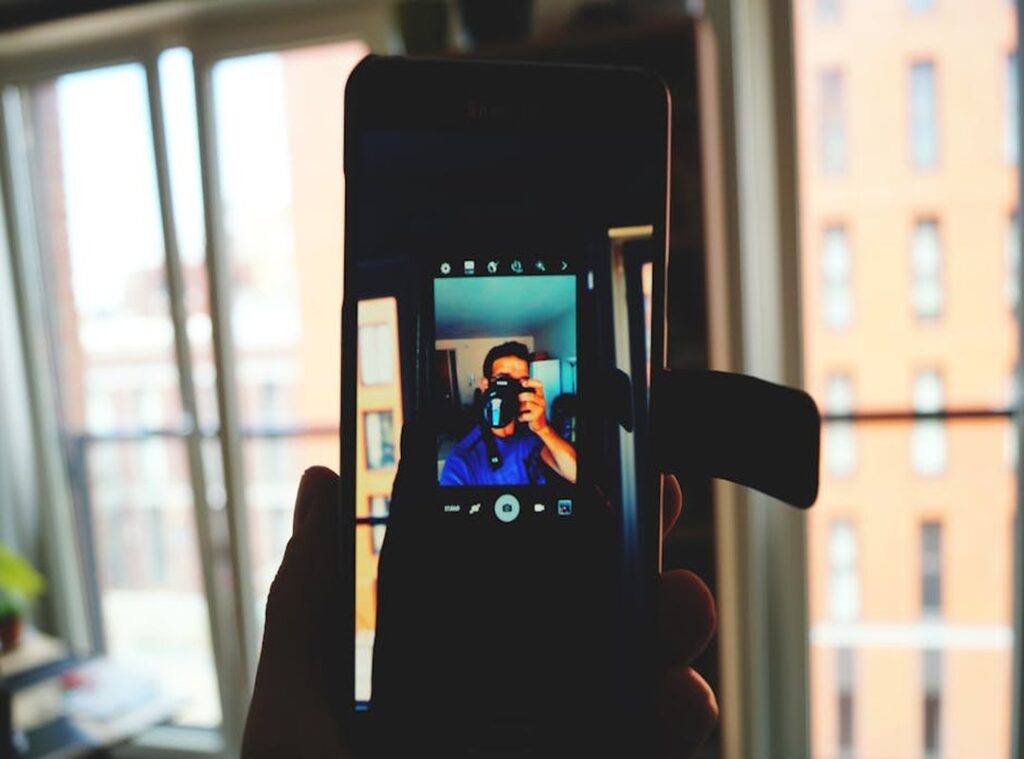
Taking a bashid mclean selfie of head no blur can be a real challenge. You might think it’s as simple as pointing and shooting, but there’s more to it. Poor lighting, unflattering angles, and blurriness can ruin a good shot.
I’ve been there, done that, and i know the frustration. So, let’s get straight to it.
This guide is all about helping you avoid those common pitfalls.
You want a clear, professional-looking headshot, right? Well, I’ve got some tips and tricks up my sleeve. And trust me, they work.
No fluff, no nonsense. Just practical advice to get the job done.
So, are you ready to take your headshots to the next level? Let’s dive in.
Understanding the Basics of Photography
CAPS: Exposure, composition, and focus. These are the building blocks of a great photo.
Camera settings can make or break your shot. ISO, aperture, and shutter speed are the big three.
ISO controls how sensitive your camera is to light. Aperture adjusts the size of the lens opening, affecting depth of field. Shutter speed determines how long the sensor is exposed to light.
Lighting is everything. Natural light can give you soft, flattering tones. Artificial light lets you control the mood and highlight specific areas.
Bashid mclean selfie of head no blur. (This is what a well-lit, in-focus photo looks like.)
Mastering these elements will help you take photos that stand out. You’ll be able to capture moments with clarity and creativity.
Choosing the Right Equipment
When it comes to camera selection, you’ve got a few options: DSLR, mirrorless, and even smartphone cameras. DSLRs are reliable and offer great image quality, but they can be bulky. Mirrorless cameras are more compact and still deliver fantastic results.
Smartphones have come a long way too, with some models rivaling traditional cameras in terms of quality.
Pro Tip: If you’re just starting out, a good smartphone might be all you need.
Lenses matter a lot, especially for headshots, and a prime lens is your best bet. They provide a fixed focal length, which means sharper images and better low-light performance.
This is crucial for capturing those detailed, high-quality portraits.
Tripods and stabilizers are non-negotiable. Stability is key to getting a clear, sharp image. Handheld shots can get blurry, especially in low light.
A good tripod or stabilizer will keep your camera steady, making sure every shot is crisp and professional.
bashid mclean selfie of head no blur
Remember, the right equipment can make a huge difference in the quality of your photos. Choose wisely based on your needs and budget.
Setting Up the Perfect Environment
Choosing a simple, non-distracting background is key. It helps you stand out and keeps the focus on you.
Positioning and types of lights are crucial too. Natural light is great, but if that’s not an option, a ring light or softbox can do wonders. They help eliminate shadows and make your features pop.
Now, let’s talk about positioning the subject. For Bashid McLean, finding the best angle is all about experimenting. Try different poses and angles to see what works best for you.
bashid mclean selfie of head no blur
A good tip is to keep the camera at eye level. This way, you look more natural and engaging. Also, make sure the lighting is in front of you, not behind.
This prevents you from looking like a silhouette.
By setting up the perfect environment, you’ll look more professional and confident. And that can make all the difference in how people perceive you.
Mastering Camera Settings for a Clear Headshot
ISO: Balancing sensitivity and noise. It’s all about finding the right level without making your photo look grainy. Trust me, you don’t want that.
Aperture: Achieving the right depth of field, and this can be tricky. You want your face to be in sharp focus, but not so much that the background becomes a distraction.
Shutter Speed: Avoiding motion blur and capturing sharp details. If you’ve ever taken a blurry selfie, you know what I’m talking about. (It’s frustrating, right?)
Pro tip: Start with a shutter speed of at least 1/125th of a second. This usually does the trick.
Now, here’s a real-world example. Take a look at this bashid mclean selfie of head no blur. Notice how the settings are balanced to keep the subject clear and in focus.
Sometimes, even with the best settings, things can still go wrong. Maybe the lighting is off, or the camera just isn’t cooperating. When that happens, it’s okay to admit that you might need to try a few different setups.
Experimentation is key.
If you’re looking for more detailed tips and tricks, check out Hearthssgaming. They have some great resources on their official site.
Focusing Techniques for Sharpness

Autofocus vs, and manual Focus: When to use each.
Autofocus is great for quick, on-the-go shots, and it’s fast and usually accurate. But sometimes, you need more control.
That’s where manual focus comes in. Use it when precision matters, like in low light or with moving subjects.
Focus Points: Selecting the right focus point for the subject’s eyes.
Eyes are the window to the soul, right? (Or at least that’s what they say.) So, make sure they’re sharp. Choose a focus point that aligns with the subject’s eyes.
This way, you capture their expression clearly.
Continuous Shooting: Capturing multiple shots to ensure clarity.
Sometimes, one shot isn’t enough. Continuous shooting lets you take a series of photos in rapid succession. This increases your chances of getting that perfect, clear image.
Bashid mclean selfie of head no blur.
By using these techniques, you can get sharper, more focused photos.
Post-Processing for a Professional Finish
Editing Software: Adobe Lightroom and Photoshop are the go-to tools. They offer a ton of features to refine your images.
Basic Adjustments: Start with cropping, exposure, and color correction. These simple tweaks can make a huge difference.
Why not just use filters? (Filters are great, but they can’t replace the precision of manual adjustments.)
Advanced Techniques: Retouching, sharpening, and removing distractions take your photos to the next level.
bashid mclean selfie of head no blur
What’s next after you’ve mastered these basics, and experiment with more creative edits. Try different styles and see what works for you.
Pro tip: Always save your original files. You never know when you might want to start over or try a new approach.
Common Mistakes and How to Avoid Them
Poor composition can ruin a great shot, and framing is key . Here’s how to avoid common framing errors:
- Center the subject: Don’t always put your subject in the middle. Use the rule of thirds.
- Avoid clutter: Keep the background simple. Less is more.
- Use natural frames: Trees, windows, or doorways can add depth.
Incorrect lighting can make or break an image. Lighting sets the mood.
- Check for harsh light: Direct sunlight can create unflattering shadows. Find a spot with softer, diffused light.
- Use reflectors: A simple piece of white paper or a reflector can bounce light onto your subject.
- Experiment with angles: Move around to see how different light angles affect your shot.
Blurry images are frustrating, and sharpness matters .
- Steady your hand: Hold the camera (or phone) steady. Use both hands if needed.
- Use a tripod: For long exposures or low light, a tripod is a must.
- Focus carefully: Tap on your subject on the screen to lock focus.
Pro tip: Take a few test shots and review them. Adjust as needed.
bashid mclean selfie of head no blur
Capturing the Perfect Bashid McLean Headshot
To capture a clear, distortion-free headshot, start by setting up in a well-lit area. bashid mclean selfie of head no blur is your goal, so ensure the lighting is even and natural. Use a tripod or stable surface to keep the camera steady. Adjust your camera settings for a low ISO and appropriate aperture to avoid noise and achieve a sharp focus.
Post-processing can enhance the image, but a good initial shot is crucial. Practice and experiment with different setups and settings to find what works best for you.

 There is a specific skill involved in explaining something clearly — one that is completely separate from actually knowing the subject. Adolphenie Reeder has both. They has spent years working with gameplay optimization hacks in a hands-on capacity, and an equal amount of time figuring out how to translate that experience into writing that people with different backgrounds can actually absorb and use.
Adolphenie tends to approach complex subjects — Gameplay Optimization Hacks, Game Industry Buzz, Competitive Hearth-Inspired Virtual Arenas being good examples — by starting with what the reader already knows, then building outward from there rather than dropping them in the deep end. It sounds like a small thing. In practice it makes a significant difference in whether someone finishes the article or abandons it halfway through. They is also good at knowing when to stop — a surprisingly underrated skill. Some writers bury useful information under so many caveats and qualifications that the point disappears. Adolphenie knows where the point is and gets there without too many detours.
The practical effect of all this is that people who read Adolphenie's work tend to come away actually capable of doing something with it. Not just vaguely informed — actually capable. For a writer working in gameplay optimization hacks, that is probably the best possible outcome, and it's the standard Adolphenie holds they's own work to.
There is a specific skill involved in explaining something clearly — one that is completely separate from actually knowing the subject. Adolphenie Reeder has both. They has spent years working with gameplay optimization hacks in a hands-on capacity, and an equal amount of time figuring out how to translate that experience into writing that people with different backgrounds can actually absorb and use.
Adolphenie tends to approach complex subjects — Gameplay Optimization Hacks, Game Industry Buzz, Competitive Hearth-Inspired Virtual Arenas being good examples — by starting with what the reader already knows, then building outward from there rather than dropping them in the deep end. It sounds like a small thing. In practice it makes a significant difference in whether someone finishes the article or abandons it halfway through. They is also good at knowing when to stop — a surprisingly underrated skill. Some writers bury useful information under so many caveats and qualifications that the point disappears. Adolphenie knows where the point is and gets there without too many detours.
The practical effect of all this is that people who read Adolphenie's work tend to come away actually capable of doing something with it. Not just vaguely informed — actually capable. For a writer working in gameplay optimization hacks, that is probably the best possible outcome, and it's the standard Adolphenie holds they's own work to.