
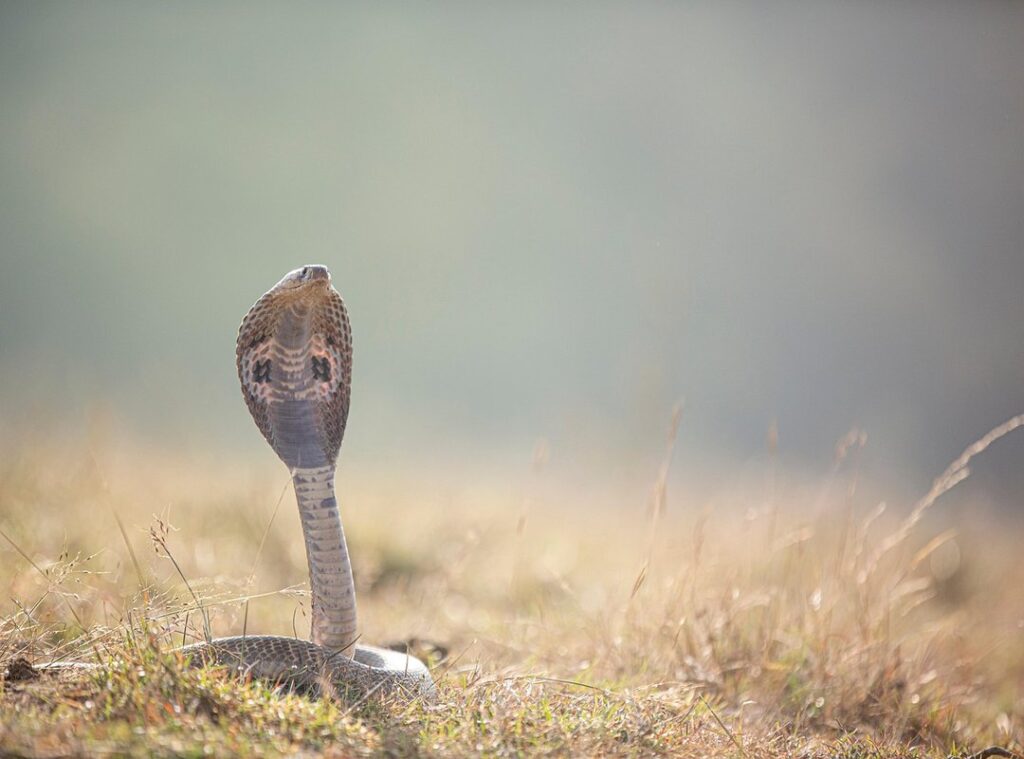
You just found a small, unidentified snake and you’re wondering if it’s dangerous. That’s a natural reaction. The cobra-rateira filhote is what you might be dealing with.
It’s the Portuguese term for a baby or hatchling rat snake. This article is here to help you identify a baby rat snake, understand its behavior, and know what to do if you find one. Rat snakes are non-venomous and actually beneficial to the ecosystem.
So, take a deep breath. I’ll give you practical, easy-to-understand information to help you handle the situation with confidence.
Key Features for Positive Identification
When it comes to identifying a baby rat snake, size is a good starting point. A hatchling is usually between 10-15 inches long.
Now, let’s talk about the color and pattern. Baby rat snakes often have a blotchy gray and black or brown pattern. This is very different from the smooth, solid colors of adults.
One time, I was out in the field with a herpetologist, and he said, “Always look at the head shape first.” The head of a baby rat snake is slender with round pupils. This contrasts sharply with the triangular heads and vertical pupils of many venomous pit vipers.
It’s crucial to compare a baby rat snake with a venomous baby copperhead or rattlesnake. Here are the key differences:
– Pattern: Blotchy gray and black or brown for rat snakes, more distinct hourglass patterns for copperheads.
– Head Shape: Slender and rounded for rat snakes, triangular for copperheads and rattlesnakes.
– Pupils: Round for rat snakes, vertical for venomous snakes.
Another thing to consider is their climbing ability. Rat snakes are excellent climbers, which can be a subtle identifier. Also, check the texture of their scales.
Rat snakes have keeled or weakly keeled scales, adding another layer of identification.
To sum it up:
– Size: 10-15 inches long
– Color and Pattern: Blotchy gray and black or brown
– Head Shape: Slender with round pupils
– Comparison: Blotchy vs. hourglass, slender vs. triangular, round vs. vertical pupils
– Climbing Ability: Excellent climbers
– Scales: Keeled or weakly keeled
Oh, and if you ever hear someone mention a cobra-rateira filhote, they’re probably talking about a baby rat snake in another language. Keep that in mind!
Understanding Hatchling Behavior and Natural Habitat
These snakes are commonly found near woodpiles, in gardens, sheds, basements, or near foundations where they hunt for small prey. Cobra-rateira filhote is no exception.
Hatchlings are generally shy and will try to flee if disturbed. If cornered, they might vibrate their tail and strike, but don’t worry—their bite is harmless.
Their diet at this young age consists mainly of small lizards, frogs, and pinky mice. Despite their name, they don’t eat rats until they’re older. Hearthssgaming
Hatchlings are often more active during the day or at dusk. This aligns with when their prey is also active, making it easier for them to find food.
These snakes play a crucial role in natural pest control. As they grow, they help manage rodent and insect populations, keeping the ecosystem in balance.
A Step-by-Step Guide: What to Do If You Find One

The First Move: Keep Your Distance
The most important first step is to keep a safe distance. Give the snake space and do not attempt to handle it unnecessarily. This helps ensure both your safety and the snake’s.
Safely Removing the Snake
If you find a snake inside your house or garage, use a broom and a bucket to guide it into the bucket. Then, carefully carry the bucket outside. It’s a simple and effective method that minimizes stress for everyone involved.
Where to Release It
Release the snake in a nearby natural or wooded area, at least 50-100 yards away from your home. This allows it to continue its role in the local ecosystem. Snakes, including the cobra-rateira filhote, play a crucial part in controlling rodent populations and maintaining ecological balance.
Don’t Harm the Snake
Strongly advise against harming or killing the snake. Most snakes are non-venomous and beneficial. They help keep pest populations in check, which is a win for your garden and the environment.
When to Call a Professional
There are specific situations when it’s appropriate to call a professional. For example, if the snake is in a hard-to-reach place or if you’re not 100% certain of the identification. Professionals have the tools and expertise to handle these situations safely.
What Not to Do
Don’t use glue traps. They can harm the snake and are inhumane. Also, don’t use bare hands to handle the snake.
And, most importantly, don’t panic. Staying calm will help you make better decisions and keep everyone safe.
Your Questions About Baby Rat Snakes Answered
Are baby rat snakes aggressive?
No, they are defensive. They prefer to flee but may bluff or strike if they feel threatened.
How can I keep them out of my house?
Seal cracks in the foundation, reduce clutter in the yard, and manage food sources that attract rodents.
Do they carry diseases?
Like any wild animal, they can carry bacteria like Salmonella, which is another reason to avoid handling them with bare hands.
What should I do if I find a cobra-rateira filhote in my home?
If you find a cobra-rateira filhote in your home, it’s best to contact a professional for safe removal.

 There is a specific skill involved in explaining something clearly — one that is completely separate from actually knowing the subject. Terry Rubyanaleron has both. They has spent years working with gameplay optimization hacks in a hands-on capacity, and an equal amount of time figuring out how to translate that experience into writing that people with different backgrounds can actually absorb and use.
Terry tends to approach complex subjects — Gameplay Optimization Hacks, Competitive Hearth-Inspired Virtual Arenas, Insider Knowledge being good examples — by starting with what the reader already knows, then building outward from there rather than dropping them in the deep end. It sounds like a small thing. In practice it makes a significant difference in whether someone finishes the article or abandons it halfway through. They is also good at knowing when to stop — a surprisingly underrated skill. Some writers bury useful information under so many caveats and qualifications that the point disappears. Terry knows where the point is and gets there without too many detours.
The practical effect of all this is that people who read Terry's work tend to come away actually capable of doing something with it. Not just vaguely informed — actually capable. For a writer working in gameplay optimization hacks, that is probably the best possible outcome, and it's the standard Terry holds they's own work to.
There is a specific skill involved in explaining something clearly — one that is completely separate from actually knowing the subject. Terry Rubyanaleron has both. They has spent years working with gameplay optimization hacks in a hands-on capacity, and an equal amount of time figuring out how to translate that experience into writing that people with different backgrounds can actually absorb and use.
Terry tends to approach complex subjects — Gameplay Optimization Hacks, Competitive Hearth-Inspired Virtual Arenas, Insider Knowledge being good examples — by starting with what the reader already knows, then building outward from there rather than dropping them in the deep end. It sounds like a small thing. In practice it makes a significant difference in whether someone finishes the article or abandons it halfway through. They is also good at knowing when to stop — a surprisingly underrated skill. Some writers bury useful information under so many caveats and qualifications that the point disappears. Terry knows where the point is and gets there without too many detours.
The practical effect of all this is that people who read Terry's work tend to come away actually capable of doing something with it. Not just vaguely informed — actually capable. For a writer working in gameplay optimization hacks, that is probably the best possible outcome, and it's the standard Terry holds they's own work to.