The gaming industry has evolved far beyond one-time purchases into persistent, ever-changing digital worlds. For players and developers alike, the real challenge is no longer launching a great title—it’s sustaining engagement and delivering value months or even years later. This article explores the live service game model, the driving force behind today’s most successful online experiences. Through analysis of leading competitive arenas and top-performing multiplayer titles, we break down the essential systems that keep communities active and invested. You’ll discover how strategic content updates, balanced monetization, and consistent support transform games from short-term hits into long-term successes.
Defining the “Live Service” Revolution
A live service game model is built to keep players coming back long after launch day confetti settles. Instead of the old “ship it and pray” strategy (RIP dusty disc cases), developers treat release as the opening episode, not the finale. Think of it less like a movie premiere and more like subscribing to an ever-evolving series.
Traditionally, games followed a fire-and-forget approach: launch, patch a few bugs, maybe drop a DLC, and move on. The new model flips that script. Now, developers commit to three pillars: consistent content cadence, player-friendly monetization, and active community management.
A consistent content cadence means regular updates—new maps, characters, story arcs—arriving on a predictable schedule. (Because nothing kills hype faster than “coming soon” meaning “someday.”) Player-friendly monetization focuses on optional cosmetics or expansions rather than pay-to-win mechanics. And active community management? That’s when studios actually listen instead of vanishing into the digital void.
Skeptics argue this model encourages endless spending and unfinished launches. Fair point. But when done right, it transforms a static product into an evolving hobby—like a gym membership, except you’re leveling up a wizard instead of your quads. The result is stronger communities and steady revenue that funds future innovation.
The Content Cadence: Keeping Players Engaged
The heartbeat of any successful live service game model is its content cadence. Without a steady rhythm of updates, even the most explosive launch eventually fades (remember how quickly some “next big things” vanished from Twitch charts?). A predictable schedule—often built around seasons or battle passes—creates anticipation cycles that keep players checking in.
Major Updates
These are the headline acts. Think new playable characters with distinct ability kits, expansive maps that shift tactical positioning, or story arcs that reframe the meta. In Fortnite, for example, map-altering events have historically driven massive spikes in concurrent players (Epic Games reports record-breaking live event participation). Major updates don’t just add content—they reshape gameplay optimization, forcing players to adapt strategies and experiment with new builds.
Minor Patches
Not flashy, but absolutely critical. Frequent balance tweaks, bug fixes, and quality-of-life adjustments maintain fairness in a competitive virtual arena. A single overpowered weapon left unchecked can destabilize ranked play for weeks. Riot Games has openly discussed how regular patch cycles improve long-term retention by reinforcing competitive integrity (Riot Dev Blogs). Pro tip: consistent patch notes signal developer transparency, which builds player trust over time.
Limited-Time Events
Holiday modes, crossover skins, or time-bound challenges inject urgency. Scarcity drives action—behavioral economists call this the “limited availability effect.” Players log in to avoid missing exclusive rewards (because nobody wants to be the only one without that rare skin).
For deeper insight into development pipelines that enable this cadence, see how ai is transforming modern game development workflows.
Some argue constant updates overwhelm casual players. Fair point. But layered scheduling ensures there’s always something new—without demanding everyone grind daily.
Fueling Development: Smart Monetization Tactics
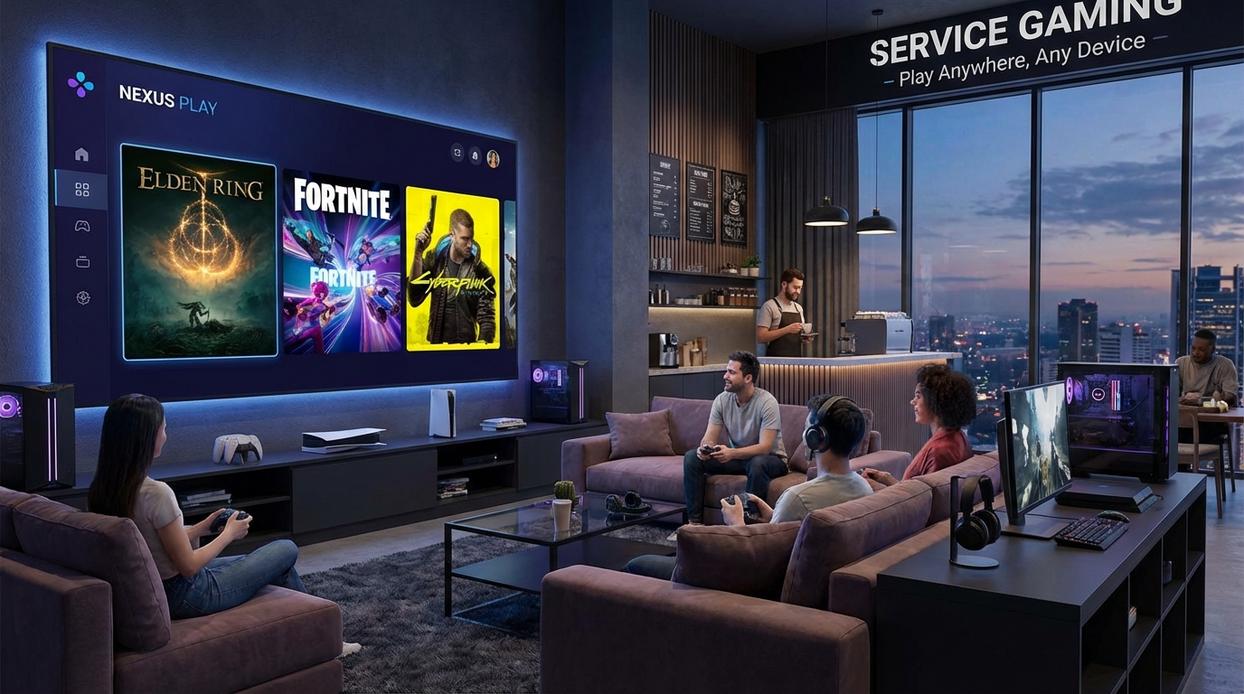
Sustainable revenue is what keeps servers online, patches rolling out, and new content flowing. In today’s market, smart studios design monetization around player trust—not pressure. The shift away from pay-to-win (systems where spending money grants gameplay advantages) is no accident; players have made it clear that fairness fuels loyalty.
-
Cosmetic Items
First and foremost, cosmetics drive revenue without disrupting balance. Skins, emotes, weapon wraps, and character variants let players express identity while preserving competitive integrity. Think of it like wearing your favorite jersey—style matters, but it doesn’t change the score. The benefit? Developers earn recurring income while players keep a level playing field. -
Battle Passes
Meanwhile, battle passes provide structured progression across a season. Players unlock rewards through consistent engagement, which increases retention and strengthens community momentum. In a live service game model, this predictable cadence supports long-term development planning and steady updates. -
Direct Purchase Storefronts
Finally, transparent storefronts replace randomized loot boxes with clear pricing. Players buy exactly what they want, reducing frustration and building goodwill. Over time, that trust converts into repeat purchases (and fewer angry Reddit threads).
Critics argue that any monetization risks overreach. Fair point. However, when systems prioritize value, clarity, and fairness, revenue becomes a partnership—not a penalty.
Building a Thriving Multiplayer Ecosystem
A multiplayer game without community support is like a raid team without a healer—technically possible, but doomed in practice. Have you ever wondered why some titles dominate Twitch for years while others fade in months? The difference is rarely graphics. It’s ECOSYSTEM.
In a live service game model, developers can’t just ship and vanish. They need ACTIVE feedback loops—structured systems for gathering and responding to player input. That means monitoring forums, social media, Discord channels, and in-game analytics. When players see balance changes that reflect their concerns, trust grows. When they’re ignored? They churn (and they’re loud about it).
Robust technical support matters just as much:
- STABLE servers that minimize lag
- Transparent anti-cheat enforcement
- Responsive customer service
Sound familiar? Players stay where they feel protected and heard. Two-way communication turns casual users into invested stakeholders. And in competitive arenas, loyalty isn’t optional—it’s EVERYTHING.
The Future is Live: Why This Model Endures
You set out to understand why static, single-purchase games are struggling—and now the answer is clear. In a crowded market where attention is fleeting, the live service game model stands apart by delivering continuous content, fair monetization, and meaningful community engagement. Players don’t just want a game; they want an evolving experience that respects their time and investment.
If you’re tired of watching player interest fade, it’s time to adapt. Build smarter, update consistently, and prioritize your community. The studios leading today’s multiplayer arenas are already doing it—don’t get left behind. Start evolving your strategy now.

 There is a specific skill involved in explaining something clearly — one that is completely separate from actually knowing the subject. Adolphenie Reeder has both. They has spent years working with gameplay optimization hacks in a hands-on capacity, and an equal amount of time figuring out how to translate that experience into writing that people with different backgrounds can actually absorb and use.
Adolphenie tends to approach complex subjects — Gameplay Optimization Hacks, Game Industry Buzz, Competitive Hearth-Inspired Virtual Arenas being good examples — by starting with what the reader already knows, then building outward from there rather than dropping them in the deep end. It sounds like a small thing. In practice it makes a significant difference in whether someone finishes the article or abandons it halfway through. They is also good at knowing when to stop — a surprisingly underrated skill. Some writers bury useful information under so many caveats and qualifications that the point disappears. Adolphenie knows where the point is and gets there without too many detours.
The practical effect of all this is that people who read Adolphenie's work tend to come away actually capable of doing something with it. Not just vaguely informed — actually capable. For a writer working in gameplay optimization hacks, that is probably the best possible outcome, and it's the standard Adolphenie holds they's own work to.
There is a specific skill involved in explaining something clearly — one that is completely separate from actually knowing the subject. Adolphenie Reeder has both. They has spent years working with gameplay optimization hacks in a hands-on capacity, and an equal amount of time figuring out how to translate that experience into writing that people with different backgrounds can actually absorb and use.
Adolphenie tends to approach complex subjects — Gameplay Optimization Hacks, Game Industry Buzz, Competitive Hearth-Inspired Virtual Arenas being good examples — by starting with what the reader already knows, then building outward from there rather than dropping them in the deep end. It sounds like a small thing. In practice it makes a significant difference in whether someone finishes the article or abandons it halfway through. They is also good at knowing when to stop — a surprisingly underrated skill. Some writers bury useful information under so many caveats and qualifications that the point disappears. Adolphenie knows where the point is and gets there without too many detours.
The practical effect of all this is that people who read Adolphenie's work tend to come away actually capable of doing something with it. Not just vaguely informed — actually capable. For a writer working in gameplay optimization hacks, that is probably the best possible outcome, and it's the standard Adolphenie holds they's own work to.