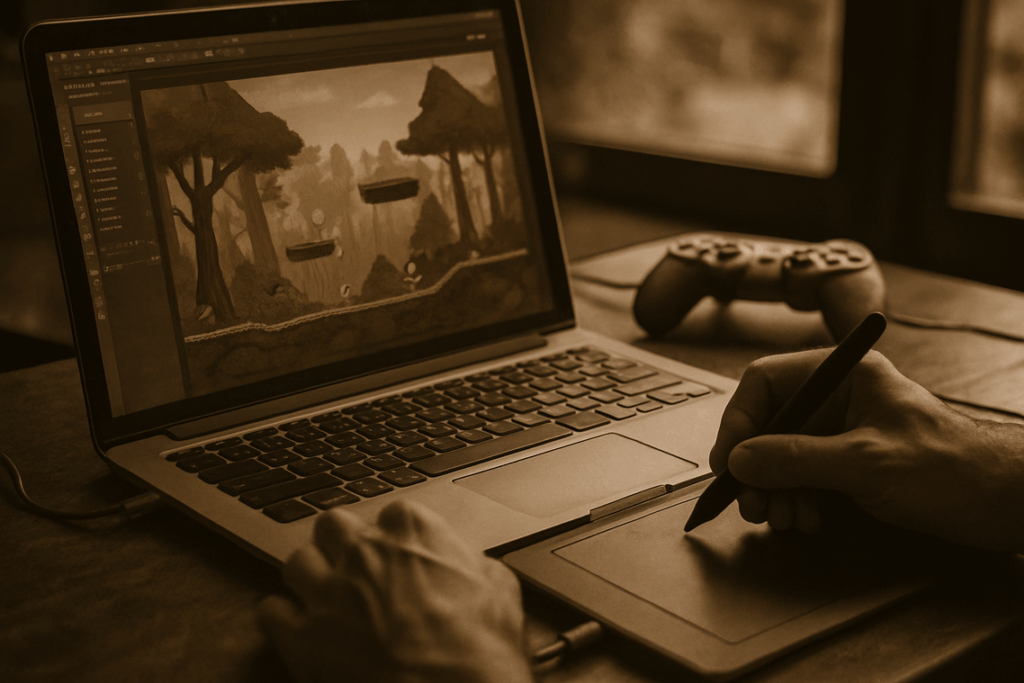
Indie games are no longer niche side projects—they’re reshaping the entire gaming landscape. If you’re searching for clear insights into indie game development growth, you’re likely trying to understand why smaller studios are gaining traction, how they compete with AAA titles, and what this shift means for players and aspiring developers alike.
This article breaks down the forces driving that growth, from accessible development tools and digital distribution platforms to evolving player preferences and thriving multiplayer communities. We’ll explore how competitive virtual arenas, gameplay optimization strategies, and community-driven design have fueled momentum across the indie scene.
To ensure accuracy and relevance, we analyzed current market data, reviewed platform performance trends, and examined case studies from breakout indie successes. The result is a focused, practical look at where indie development stands today—and where it’s headed next—so you can better understand the opportunities and challenges shaping the modern gaming ecosystem.
From Passion Project to Published Title: The Indie Developer’s Path
That dream prototype? It’s not a product—yet. The leap requires mastering scope (the controlled size of your game), runway (how long your cash lasts), and discoverability (how players find you).
Some argue great games “just get noticed.” In a market where over 10,000 titles launch annually (Steam, 2024), that’s wishful thinking.
Here’s where most guides stop. We go further—into positioning gaps competitors ignore.
| Stage | Hidden Edge |
| Idea Validation | Micro-communities on Discord |
| Funding | Revenue-share hybrids |
| Launch | Wishlist algorithms |
indie game development growth hinges on retention metrics, not hype. Build small, test fast, iterate relentlessly. Pro tip: track day-one retention before polishing art.
The Modern Indie Gauntlet: Overcoming Market Saturation
Picture launching a game today like opening a lemonade stand in the middle of Times Square. That’s the Indiepocalypse—a flood of new titles hitting Steam and Itch.io daily. This surge in indie game development growth means creativity is thriving, but visibility is drowning.
The Visibility Challenge
“Discoverability” (the ability for players to find your game organically) is the real boss battle. Without a marketing budget, even brilliant projects can vanish like a side quest no one triggers. Some argue great games naturally rise to the top. Occasionally true—but relying on algorithms alone is like hoping to win the lottery with one ticket.
| Challenge | Why It Hurts | Real-World Impact |
|————|————–|——————|
| Market Saturation | Thousands of launches monthly | Games disappear from “New Releases” in hours |
| Limited Marketing | Small ad spend | Minimal wishlists and traction |
| Skill Gaps | Solo dev overload | Delays and uneven polish |
Funding and Resource Constraints
Solo developers juggle coding, art, sound, and promotion. It’s like being a one-person band expected to sound like a full orchestra.
Player Expectations
AAA polish sets the bar high. Players expect seamless performance and cinematic flair—even from small teams. A vertical slice (a polished demo showing core gameplay) becomes your movie trailer. Without it, convincing players is like pitching Marvel without a teaser.
The Creator’s Toolkit: Essential Resources for Game Development
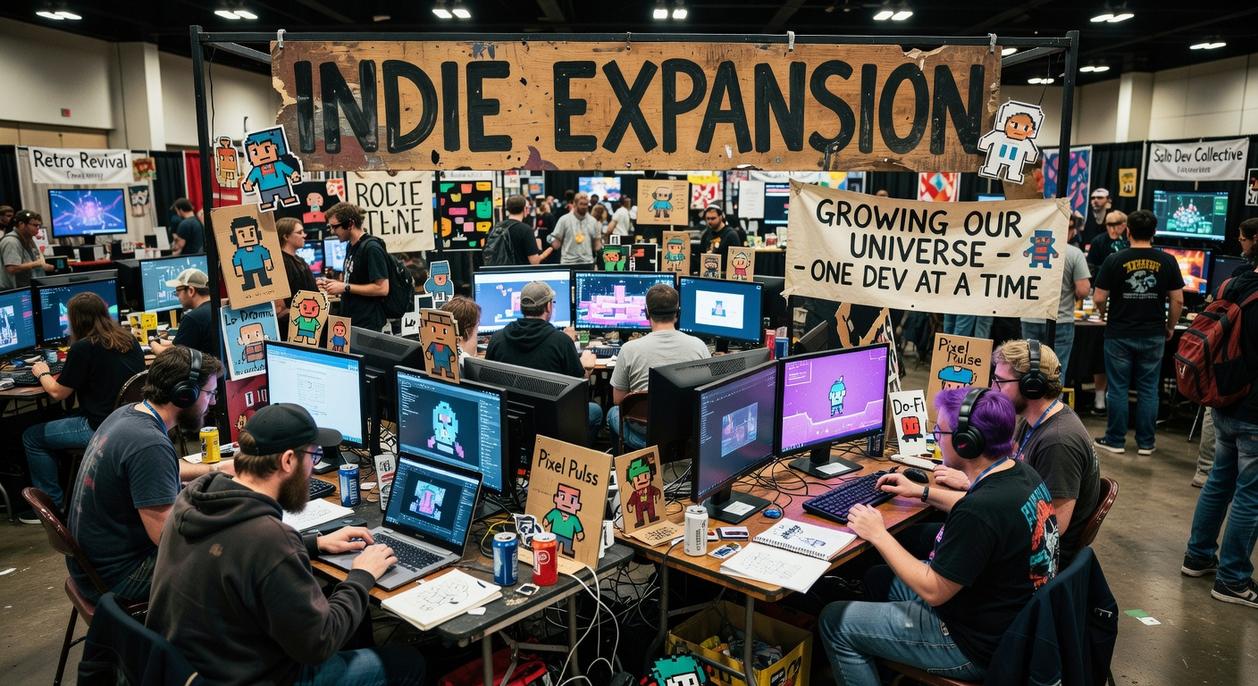
Choosing Your Engine
First things first: your engine shapes everything. Unity excels in 2D and mobile projects, offering a vast Asset Store and beginner-friendly tutorials. Meanwhile, Unreal Engine shines in high-fidelity 3D experiences, thanks to its Nanite and Lumen systems (translation: stunning lighting and detail without custom wizardry). Godot, on the other hand, is lightweight, open-source, and ideal for solo developers who want flexibility without licensing fees.
Some developers argue that engine choice barely matters—”a good developer can build anywhere.” That’s partially true. However, community support and documentation directly impact your speed and sanity. Unity’s massive forums, Unreal’s detailed docs, and Godot’s passionate open-source base each reduce roadblocks. In fast-moving spaces like indie game development growth, time saved equals momentum.
Leveraging Free and Affordable Assets
Next, don’t reinvent every pixel. Resources like Kenney.nl, OpenGameArt, and curated Humble Bundles provide affordable art, UI packs, music, and SFX. Critics might say asset packs make games feel generic. Fair—but customization solves that. Think of assets as LEGO bricks, not the finished Millennium Falcon. Pro tip: prioritize cohesive art styles over hyper-detailed mismatches.
Project Management for Indies
Even brilliant ideas stall without structure. Tools like Trello (kanban boards) and Notion (all-in-one workspace) keep tasks visible and manageable. Short development sprints maintain focus and prevent burnout (because “crunch” isn’t a personality trait).
Gameplay Optimization First
Finally, prioritize your core gameplay loop—the repeatable cycle of action and reward. A polished but dull game fails. Players stay for mechanics, not just graphics. As seen with hits like Undertale, compelling systems outperform spectacle every time.
Beyond the Build: Strategies for Growth and Community Building
Shipping a great game isn’t enough anymore (painful, but true). Visibility is its own battleground, and while no formula guarantees success, certain patterns keep showing up.
Pre-Launch Marketing Is Non-Negotiable
First, create your Steam page early. Wishlists act as intent signals—Valve has confirmed they influence visibility algorithms (Steamworks Documentation). Then, show up consistently on Twitter/X and TikTok. Short devlogs, behind-the-scenes clips, even bug fails (the funny ones) build familiarity. Start a Discord server before launch; early members often become your evangelists.
Some developers argue marketing should wait until the game is “ready.” I get that instinct. But communities take time to form, and silence rarely builds anticipation.
The Power of the Demo
A polished demo—especially during Steam Next Fest—can outperform months of ads. Valve reports significant wishlist spikes during the event. Still, I’ll admit: not every demo converts. Quality and timing matter. A rough build can backfire. (Pro tip: treat your demo like a vertical slice, not a beta.)
Engaging Content Creators
Research creators who already play similar games. Send concise, personalized emails. Include a press kit: trailer, gameplay GIFs, key art, fact sheet, and clear contact info. Make their job easy. Some devs fear rejection, but most creators simply ignore generic pitches.
Post-Launch Support and Multiplayer Hooks
A public roadmap signals commitment. Fast bug fixes build trust. Adding multiplayer or community features can dramatically extend lifespan—just look at the rise of cross platform play and what it means for gamers: https://hearthssgaming.com.co/the-rise-of-cross-platform-play-and-what-it-means-for-gamers/.
I can’t promise these steps guarantee success—indie game development growth remains unpredictable—but consistent engagement gives your game more than a launch. It gives it momentum.
Fostering the Ecosystem: How Players and Platforms Can Help
Digital storefronts shape discovery more than most players realize. Algorithms (automated recommendation systems) on Steam, Epic Games Store, and GOG decide which titles surface first. Some argue these systems favor big-budget studios—and sometimes they do. But curated lists and seasonal showcases can spotlight smaller teams, fueling indie game development growth in meaningful ways.
Community-driven funding platforms like Kickstarter and Patreon let developers validate ideas early while keeping creative control (think of it as beta-testing with wallets).
• WISHLIST early and review often.
What’s next? Share promising demos, back campaigns wisely, and track upcoming releases before they explode.
Building the Next Generation of Gaming
The modern market can feel like Dark Souls on hard mode. Yet the real boss battle for indie creators isn’t skill—it’s visibility. Talent is everywhere; attention is scarce.
Smart tools, early community building, and strategic marketing drive indie game development growth. Think less “Field of Dreams” and more Barbenheimer-level buzz.
- Wishlist games you love
- Share a developer’s post
- Outline your own core loop
Some argue great games naturally rise. Occasionally, sure. But algorithms aren’t fairy godmothers. Community is the cheat code (and yes, that’s a pro tip). Start today. Right now.
Level Up Your Competitive Edge in Today’s Gaming Arena
You came here to sharpen your understanding of competitive gaming, gameplay optimization, and the trends shaping today’s virtual arenas—and now you have the clarity to move forward with confidence. From mastering core mechanics to tracking indie game development growth, you’re better equipped to adapt, compete, and thrive in a rapidly evolving landscape.
The real challenge isn’t finding information—it’s applying the right tactics before your competition does. Falling behind on strategy, updates, or emerging trends can cost you rankings, rewards, and momentum.
Now it’s time to act. Start refining your loadouts, analyze your recent matches, and stay ahead of new releases and balance changes. Tap into expert-backed insights trusted by thousands of competitive players to sharpen your skills faster and play smarter. Don’t let your rivals outpace you—level up your strategy today and dominate your next match.