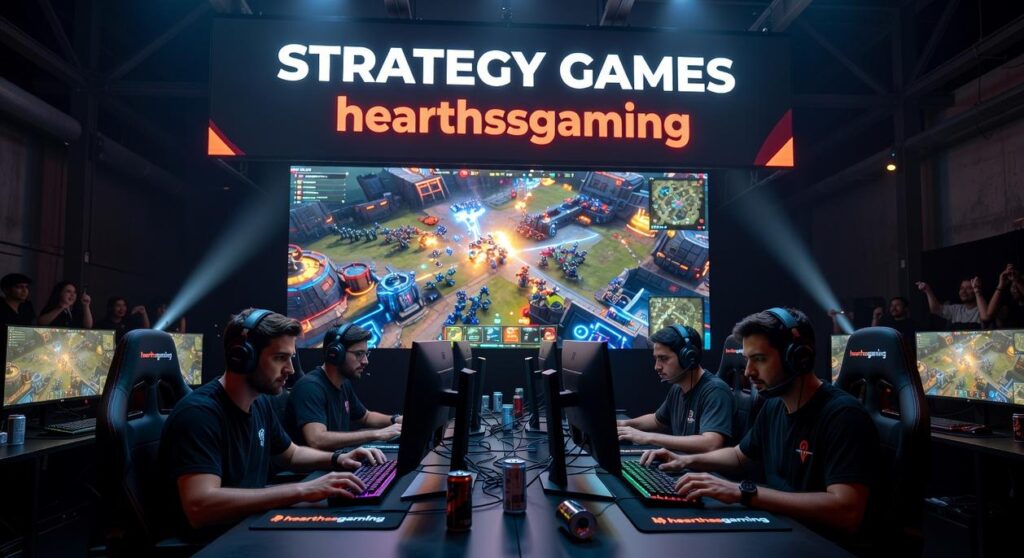
I’ve seen too many players blame their card collection when the real problem is they don’t have a game plan.
You’re probably stuck at a certain rank right now. You win some games and lose others but can’t figure out why. It’s not always about having the right cards.
Here’s what separates players who climb from those who plateau: understanding the core strategy games that define how Hearthstone actually works. Not just what cards to play. How to win.
I’ve broken down the fundamental approaches that top players use to dominate matches. These are the archetypes that matter in competitive play.
This guide will show you the different paths to victory in Hearthstone. Once you understand these strategies, deck building gets easier. Your plays make more sense. You stop guessing and start executing.
At hearthssgaming, we analyze what works at high ranks and translate it into something you can actually use. We watch the patterns that winning players follow and break them down into clear frameworks.
You’ll learn which strategic archetype fits your playstyle, how to build decks around that strategy, and what your actual win condition should be in any given match.
No card tier lists. No meta snapshots that are outdated in a week. Just the core strategies that have defined this game since launch.
The Three Pillars: Understanding Tempo, Value, and Card Advantage
You know that feeling when you’re winning a match and suddenly everything falls apart?
It’s not luck. You probably lost control of one of the three pillars.
Every good player at hearthssgaming understands these concepts. Tempo, value, and card advantage. They sound complicated but they’re not.
Let me break it down.
Tempo is about controlling the board right now. You spend your mana efficiently and put pressure on your opponent. Think of it like this: if you’re playing creatures on curve while your opponent is stuck doing nothing, you have tempo.
Value means getting more from your cards than they do. A single board clear that wipes three enemy minions? That’s value. You spent one card and they lost three.
Card advantage is simpler than it sounds. More cards in hand equals more options. If you have five cards and they have two, you’re probably winning the long game.
Here’s where it gets interesting.
Different strategies prioritize different pillars. Aggro decks care about tempo above everything else (because the game needs to end fast). Control decks want value and card advantage since they plan to outlast you.
You can’t maximize all three at once. That’s the trade off that makes strategy games hearthssgaming actually strategic.
Strategic Option 1: The Aggro Deck – Winning Through Overwhelming Force
You want to win fast.
That’s what aggro is about. You’re not here to play a 20-turn chess match. You’re here to end the game before your opponent even gets comfortable.
The core idea is simple. Reduce their health to zero as quickly as possible. Most of the time, that means ignoring their minions entirely and going straight for face.
Here’s what you get with this approach.
Games end in 5 to 7 turns when things go right. That means more games per hour. If you’re sitting at a 55% win rate, you’ll climb faster with aggro than with any other deck type.
The deck runs on a low mana curve. You’re playing cheap minions on turn one and turn two. By turn three, you’re already dealing serious damage. Direct damage spells and weapons help you close out games even when they stabilize the board. With its low mana curve and aggressive strategy, this deck exemplifies the fast-paced excitement that keeps players returning to Hearthssgaming for more thrilling matches. With its aggressive strategy and low mana curve, this deck perfectly exemplifies the kind of fast-paced gameplay that has made Hearthssgaming a favorite among competitive players.
But there’s a catch.
The hardest part isn’t building the deck. It’s knowing when to trade minions versus when to attack face. New players trade too much. They see a minion on the opponent’s board and feel like they need to kill it. That’s usually wrong.
You only trade when that minion will cost you more damage than you’d deal by ignoring it. A 2/3 taunt? Yeah, you probably need to deal with that. A 3/2 with no taunt? Hit face and make them figure it out.
Some players say aggro takes no skill. They argue it’s just mindless face damage. And sure, bad aggro players do exist. They go face every turn and wonder why they lose to a single board clear.
But good aggro play is about math and timing. You’re counting damage. You’re tracking their answers. You’re deciding if you can afford to let them have one more turn or if you need to push now.
This works great against slow decks. Control warriors trying to armor up? Combo decks looking to draw their whole deck? You’ll beat them before they get started. That’s the beauty of strategy games hearthssgaming offers. Speed beats greed most of the time.
The downside? You run out of cards fast. If they clear your board twice and heal once, you’re probably done. Taunt minions slow you down. Board clears end you.
Pro tip: Count your damage every turn starting around turn four. Know exactly how many turns you need to win and whether you have the cards to get there.
When aggro works, it really works. When it doesn’t, you lose hard and move to the next game.
Strategic Option 2: The Control Deck – The Art of the Long Game
You know that feeling when your opponent throws everything at you in the first five turns?
And you just keep answering. Every threat they play, you remove. Every push they make, you shut down.
Then around turn 10, they’re out of gas. And you drop something they can’t handle.
That’s control.
Some players say it’s boring. They argue that sitting back and reacting isn’t real skill. That aggro takes more precision because one mistake costs you the game.
Here’s where I disagree.
Control is about reading the game three turns ahead. It’s knowing when to use your board clear and when to take damage. When to heal and when to save it.
The core idea is simple. You survive their early game and win when they run out of answers.
Control decks pack removal spells that clear boards. Healing to stay alive. Card draw to keep your hand full. And a few bombs that end the game once you’ve stabilized.
Resource management separates good control players from great ones. You can’t just throw out answers randomly. You need to know which threats matter and which ones you can ignore for a turn.
I’ve seen players waste their best removal on a medium threat, then die to the real problem two turns later.
Control shines against aggro and midrange. These decks run out of steam while you’re still holding cards. You out-value them over time and they can’t keep up with strategies hearthssgaming that focus on the long game.
But control has weaknesses.
Combo decks can kill you in one turn. Doesn’t matter how much health you have or how many answers you’re holding. They assemble their pieces and you’re done.
And sometimes you just don’t draw what you need. Your opponent plays their biggest threat on turn six and your answer is sitting at the bottom of your deck. In the unpredictable world of card games, where sometimes fate decides you won’t draw what you need, it’s moments like these that truly test your skills and strategy, an experience all too familiar for those immersed in the realm of Hearthssgaming. In the unpredictable world of card games, where fate can often leave you at the mercy of your deck, even the most seasoned players at Hearthssgaming know that sometimes you just have to accept the whims of chance and strategize for the unexpected.
That’s the risk you take when you play strategy games hearthssgaming with a control mindset.
Strategic Option 3: The Combo Deck – The Inevitable Checkmate
Some players think combo decks are cheap.
They’ll tell you it’s not real skill. That you’re just fishing for cards until you pull off some broken interaction and win out of nowhere.
But here’s what they don’t understand.
Playing a combo deck well takes MORE planning than most other strategy games hearthssgaming archetypes. You’re not just reacting to what’s in front of you. You’re calculating turns ahead while staying alive.
The core idea is simple. You build a deck around specific cards that create an INSTANT WIN when you play them together. Or at least a board state so powerful your opponent can’t recover.
Think of it like setting up dominoes. Each card you draw gets you closer to that final push.
What’s in it for you?
You get to win games you have no business winning. Your opponent could have full health and total board control. Doesn’t matter. Once you assemble your pieces, the game is over.
That feeling when you drop your combo and watch them realize they’ve already lost? Nothing beats it.
Your deck needs three things. Cards that draw more cards so you find your combo faster. Stall tactics like board clears or freeze effects to buy time. And obviously, the combo pieces themselves.
Here’s the mindset shift you need to make.
Your health is just a number. A resource you spend to survive long enough. You can be at 1 health and still win if you get there first.
The upside is massive. You can steal victories from impossible positions. When your combo goes off uninterrupted, it’s basically game over.
The downside? You’re vulnerable. Cards that mess with your hand or deck can ruin everything. And sometimes you just don’t draw what you need.
Strategic Option 4: The Midrange Deck – Master of Flexibility
Here’s my honest take.
Midrange is the best deck type for learning Hearthstone. Period.
Some players will tell you to start with Aggro because it’s simpler. Others push Control because it teaches patience. But I think they’re both wrong for beginners.
Core Philosophy: Play the strongest possible minion on each mana turn (what we call “on curve”) to build a dominant board presence and overwhelm your opponent.
Sounds basic, right?
But here’s what makes it brilliant. Midrange doesn’t lock you into one game plan. It shifts based on who you’re facing.
How it Adapts: Against Aggro, you play defensively. Your bigger minions trade into their smaller ones and you stabilize. Against Control, you flip the script. You become the aggressor and try to win before they drop their late-game bombs.
This flexibility is why I recommend Midrange in every gaming guide online hearthssgaming I write.
You learn board control. You learn when to attack and when to hold back. You learn to read what your opponent is trying to do and adjust on the fly.
That’s real strategy games hearthssgaming skill development.
Why It’s a Great Starting Point:
- Teaches you the value of tempo and board presence
- Forces you to think about matchups and adaptation
- Gives you room to make decisions without getting punished instantly
Most new players either rush face without thinking or sit back doing nothing for five turns. Midrange breaks both those habits fast. To elevate your gameplay and break free from the common pitfalls of rushing or stagnation, exploring the diverse Strategies Hearthssgaming will provide you with essential insights into mastering the midrange approach. By delving into the innovative Strategies Hearthssgaming, players can transform their approach, effectively navigating the balance between aggression and patience for a more rewarding experience.
Finding Your Playstyle and Climbing the Ranks
You’ve probably lost matches where you had better cards than your opponent.
It happens because winning in Hearthstone isn’t about your collection. It’s about having a plan and sticking to it.
I’m going to walk you through the four main ways to play: Aggro, Control, Combo, and Midrange. Each one has a different game plan and each one can get you to Legend rank.
The problem most players face is jumping between strategies without understanding what they’re doing. You end up with a deck that tries to do everything and accomplishes nothing.
Once you pick an archetype that fits how you think, everything gets easier. Your mulligan decisions make sense. Your trades become obvious. You stop second-guessing yourself every turn.
Here’s what I want you to do: Build a basic deck for each archetype. Play ten games with each one. You’ll feel which style clicks with your instincts.
Some players love the pressure of Aggro. Others enjoy the control of dictating late game. There’s no wrong answer.
Pick the one that feels right and commit to learning it. That’s how you start climbing ranks at hearthssgaming.
Your next win streak starts with knowing who you are as a player. Homepage.