
I’ve spent years watching players blame their skills when the real problem is the tech running under the hood.
You’re probably here because you’ve felt that frustration. The lag spike that costs you a match. The matchmaking system that seems rigged. The performance drops at the worst possible moment.
Here’s the thing: most players never learn what’s actually causing these issues. They just accept it as part of gaming.
I break down competitive games for a living at hearthssgaming. I analyze what makes matches feel smooth or clunky. What separates a fair fight from a technical disaster.
This article shows you the tech that powers modern competitive virtual arenas. The systems handling your inputs, matching you with opponents, and keeping everything in sync across thousands of players.
You’ll understand why lag happens, how matchmaking really works, and what’s going on when your game suddenly stutters.
Once you know this stuff, you can fix your setup. You’ll also see why some games feel better than others (and it’s not always about graphics).
No technical jargon you need a computer science degree to understand. Just the core technologies that affect every match you play.
The Foundation: How Game Engines Shape Strategy and Gameplay
You’ve probably heard developers throw around terms like Unity and Unreal Engine.
But what do these actually do?
Think of a game engine as the toolkit that makes everything work. It’s not the game itself. It’s what builds the game.
What is a Game Engine?
A game engine handles the heavy lifting. It manages graphics, physics, sound, and all the systems that make a game run. Without one, developers would need to code every single function from scratch (which would take forever).
Unity and Unreal Engine are the big names. Unity tends to be lighter and works great for mobile games and indie projects. Unreal Engine? That’s the powerhouse for high-end graphics and complex systems.
Some people say the engine doesn’t matter. They argue that good game design trumps everything else. And sure, a bad game on a great engine is still a bad game.
But here’s what that view misses.
The engine shapes what’s even possible. It determines how smooth your animations are, how many units can appear on screen, and whether your game runs at 60 FPS or stutters like a broken slideshow.
Impact on Strategy Games
Strategy games need engines that can handle complexity. We’re talking about AI opponents that make smart decisions, rule sets with hundreds of variables, and UI elements that display everything clearly.
Card games like those covered on hearthssgaming rely on engines to manage deck mechanics, turn sequences, and multiplayer synchronization. When you play a card and it triggers five different effects? That’s the engine doing its job.
The difference between Unity and Unreal here comes down to what you need. Unity excels at 2D card games and turn-based strategy. Unreal shines when you want stunning 3D environments and real-time battles.
Graphics and Performance
Rendering pipelines sound technical because they are. But what matters is this: they control how your game looks and how fast it runs.
A good engine optimizes visual clarity without killing your frame rate. It handles animations, special effects, and lighting in ways that make sense for your hardware.
The challenge? Making a game that runs smoothly on a high-end PC and a three-year-old phone. That’s where engine optimization becomes critical.
Physics and Interaction
Even in strategy games, physics matter.
When you drag a card onto the board, the engine handles that movement. When units collide or abilities trigger visual feedback, the engine makes it feel responsive.
This stuff seems minor until it’s broken. Then you notice every delayed animation and clunky interaction.
The Connection: Server Architecture and Matchmaking Algorithms
You ever wonder why some matches feel perfectly balanced while others feel like you’re fighting gods?
It’s not random.
Behind every fair fight sits a system working overtime to pair you with players at your level. And when that system breaks down (or when the servers can’t keep up), you feel it immediately. When the matchmaking system falters, the frustrations of players in the community, including those who passionately follow Hearthssgaming, become all too apparent as they struggle against opponents who don’t match their skill level. When the matchmaking system falters, the frustrations of players in the community, including those who passionately follow Hearthssgaming, become all too apparent as they yearn for fair and balanced competition.
Let me break down what’s actually happening when you click that queue button.
Creating Fair Fights: The Science of Matchmaking
Most competitive games use something called Matchmaking Rating or MMR. Think of it as your hidden skill score.
Every win bumps it up. Every loss brings it down. The system tries to match you with players who have similar numbers.
Elo systems work the same way. You beat someone ranked higher? You gain more points. Lose to someone ranked lower? You drop harder. It’s simple math that keeps matches competitive.
But here’s where it gets tricky. Some players say these systems are broken because they still get stomped occasionally. They want PERFECT matches every single time.
That’s not realistic though. Even the best matchmaking can’t account for someone having an off day or a smurf account slipping through. The goal isn’t perfection. It’s consistency over time.
Dedicated Servers vs. Peer-to-Peer
This matters more than most players realize.
In P2P connections, one player acts as the host. Everyone else connects to them. Sounds fine until you remember that the host has zero lag while everyone else is at their mercy.
I’ve been in matches where the host had a 20ms advantage. In a shooter, that’s the difference between landing your shot and dying first.
Dedicated servers fix this. Everyone connects to the same neutral server. Nobody gets host advantage. The playing field actually levels out.
It’s why every serious competitive game runs on dedicated infrastructure. Hearthssgaming has covered this extensively because it’s that important for fair play.
The Role of Netcode
Netcode is just the technology that keeps everyone’s game in sync.
When you fire a shot, your game sends that information to the server. The server checks if it hit and tells everyone else what happened. Good netcode makes this feel instant. Bad netcode? You’re shooting ghosts.
Fast-paced games need tight netcode. A 100ms delay in a fighting game means your combo doesn’t work. In a battle royale, it means you die behind cover (we’ve all been there).
Global Reach and Latency
Here’s a pro tip: always check your server region before complaining about lag.
Games need servers spread across continents. A player in Tokyo can’t get good ping connecting to a New York server. Physics won’t allow it.
The best games maintain server clusters in North America, Europe, Asia, South America, and Oceania. This keeps most players under 50ms ping, which is where gameplay starts feeling responsive.
But maintaining that global network costs serious money. It’s why some smaller games struggle with regional matchmaking and why you’ll sometimes wait longer for a local match rather than connecting to a distant server.
The Competitive Edge: Technologies for Gameplay Optimization
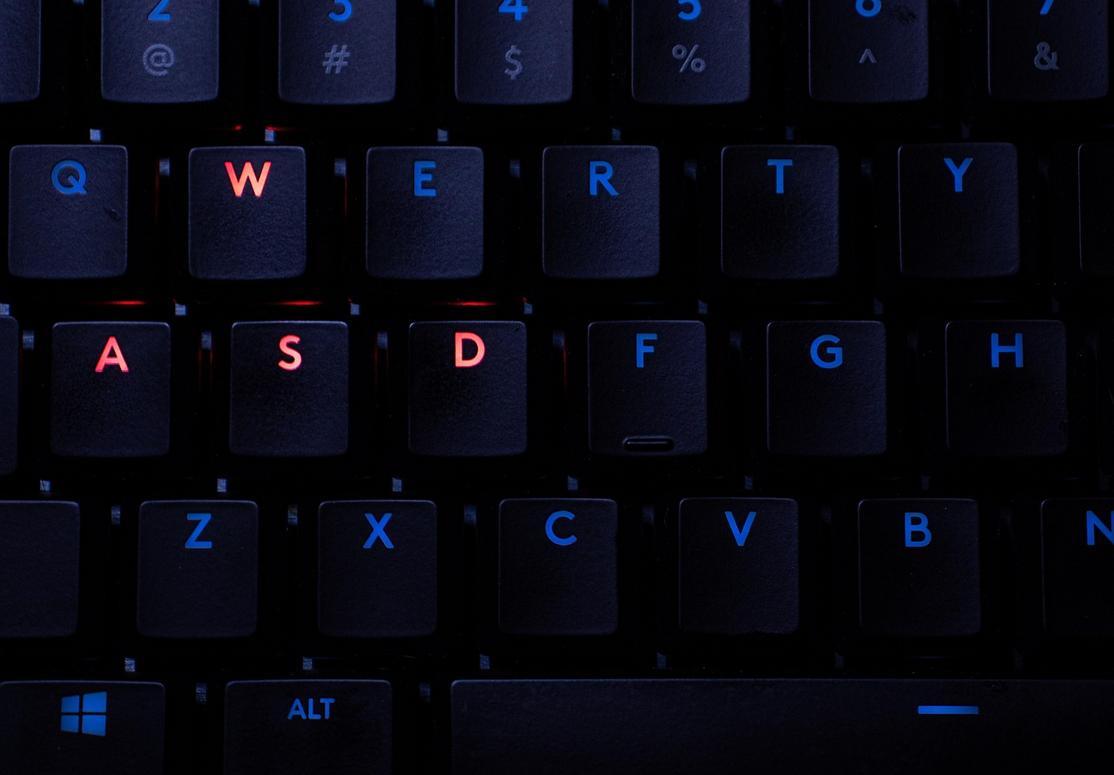
You’re getting outplayed and you know it’s not your skills.
Your opponent sees you first. Their shots land while yours feel delayed. You’re wondering if they’re just better or if something else is going on.
Here’s what most players don’t realize. The gap between you and top competitors isn’t always about raw talent. Sometimes it’s about the tech running behind the scenes. Understanding the intricacies of Categories Hearthssgaming can often be the key differentiator between casual players and elite competitors, as it highlights the technological advantages that can elevate gameplay beyond mere talent. Mastering the subtleties of Categories Hearthssgaming can elevate your gameplay, bridging the divide between casual enthusiasts and elite competitors who leverage every advantage available.
Some people argue that gear doesn’t matter. They say a good player can win on any setup. And sure, a pro will beat an amateur even on worse equipment.
But when you’re facing someone at your skill level? That’s when these technologies hearthssgaming make the difference.
Let me break down what actually works.
Your FPS matters more than you think. Drop your shadows to medium or low. Turn off anti-aliasing if you’re struggling to hit 144 FPS. Texture quality can usually stay high without killing performance. The goal is consistency, not just hitting a number once.
Now here’s where it gets interesting.
NVIDIA Reflex versus AMD Anti-Lag. Both cut system latency but they work differently. Reflex synchronizes your GPU and CPU to reduce the rendering queue. Anti-Lag limits pre-rendered frames. If you have an NVIDIA card, use Reflex. AMD users should enable Anti-Lag in their driver settings.
Your monitor is the other piece. A 60Hz display shows you information 16.7ms after it happens. A 144Hz panel cuts that to 6.9ms. That’s not marketing talk. That’s math. You literally see enemies faster.
But here’s what nobody tells you about high refresh rates. If your FPS drops below your monitor’s refresh rate, you lose that advantage. A stable 144 FPS on a 144Hz monitor beats an unstable 200 FPS that dips to 90.
I use MSI Afterburner with RivaTuner to watch my performance in real time. You can see your FPS, GPU temperature, and frame times without alt-tabbing. When something feels off, the overlay shows you exactly what’s struggling.
Check out hearthssgaming updates from hearthstats for more on tracking your competitive performance.
Your drivers need updates too. Not every single one, but the game-ready versions that drop with major releases. They fix bugs and add optimizations you won’t get otherwise.
The difference between optimized and stock settings? I’ve seen players gain 40-60 FPS just by spending ten minutes in their graphics menu.
That’s often enough to turn a slideshow into a competitive experience.
The Guardian: Anti-Cheat and Fair Play Technology
You know what kills a game faster than bad servers or broken mechanics?
Cheaters.
I’ve watched entire communities collapse because developers didn’t take anti-cheat seriously. You grind for weeks to improve your rank, then some guy with wallhacks destroys you in 30 seconds. It’s infuriating.
And here’s what really gets me. You report them. You clip the footage. You do everything right. But nothing happens because the studio’s anti-cheat system is stuck in 2015.
Now, some players argue that anti-cheat software is too invasive. They say scanning their PC feels like a violation of privacy. That it slows down their system and causes crashes.
Fair point. I get the concern.
But think about what happens without it. Every ranked match becomes a coin flip. Did you lose because the other player is better, or because they can see through walls? You’ll never know for sure, and that uncertainty destroys the whole experience.
The truth is we need anti-cheat systems. Not the lazy kind that only catch obvious bots. Real protection that actually works.
Most games use two approaches working together. Client-side systems scan your computer for known cheat software before you even load into a match. Meanwhile, server-side analysis watches your gameplay for impossible actions (like snapping to heads through walls or tracking players you shouldn’t see).
Neither one is perfect alone. That’s why categories hearthssgaming cover both methods in competitive titles.
Here’s the frustrating part though. Cheat developers don’t sleep. Studios release an update that blocks current hacks, and within days there’s a new version that bypasses it. It’s an endless cycle that costs millions and never truly ends. As the relentless battle against cheating continues to escalate, players can stay informed about the latest developments through Hearthssgaming Updates From Hearthstats, which highlight both the innovations in game security and the ever-evolving tactics of cheat developers. As the relentless battle against cheating continues to escalate, players are turning to Hearthssgaming Updates From Hearthstats to stay informed on the latest developments and countermeasures being implemented by studios.
Some anti-cheat solutions hit your framerate hard. Others trigger false positives and ban legitimate players. Finding that balance between security and performance? That’s where most developers struggle.
But I’d rather deal with occasional performance dips than play in a cheater-infested wasteland.
From Player to Informed Competitor
You now understand the core technologies that define your competitive gaming experience.
Game engines, server infrastructure, optimization tools, and anti-cheat systems. These aren’t just buzzwords anymore. They’re the building blocks of every match you play.
Poor performance or a bad match doesn’t have to be a complete mystery.
When you grasp these concepts, you can optimize your settings and diagnose issues before they cost you a win. You’ll appreciate the games you play on a different level.
Here’s what you should do next: Dive into your game’s settings and experiment with your hardware. Take control of your multiplayer experience instead of letting it control you.
I built hearthssgaming to give you the knowledge that separates casual players from informed competitors.
The technology is there. Now you know how to use it. Homepage.