
You know that feeling when you finish a game and it’s like waking up from a vivid dream? The game world feels more real than your own, doesn’t it? This article isn’t just about graphics or buzzwords.
We’re diving into what truly makes a gaming experience immersive. Why do some games pull you in so deeply that reality seems like the fantasy? I’ve got a passion for dissecting game design, whether it’s an indie gem or a AAA blockbuster, to figure out what makes them tick.
We’re going beyond the surface to give you a concrete understanding of immersion. By the end, you’ll have a list of must-play titles and actionable tips to boost your own gaming setup for maximum effect. Get ready for a deep dive into virtual reality gaming.
The Three Pillars of Immersion: Beyond Pretty Graphics
Immersion in gaming isn’t just about stunning visuals. It’s a blend of different elements working together like a well-oiled machine. to the three core pillars that make a game truly immersive.
First up, sensory immersion. This is where the sights and sounds play tricks on your brain. High-fidelity graphics are great, but it’s the 3D audio that really pulls you in.
Take “Hellblade: Senua’s Sacrifice” for example. The sound design in that game is phenomenal. You hear whispers and echoes that make you feel like you’re in Senua’s head.
That’s real immersion.
Then there’s narrative immersion. Getting lost in a story is magic. Games like “The Witcher 3” and “Red Dead Redemption 2” are masters at this.
They create worlds so believable that you forget you’re playing a game. Compelling characters and meaningful choices are key. You become part of the story, not just an observer.
Finally, systemic immersion. This is where your choices matter. Ever played “Minecraft”?
The game lets you shape the world with your actions. It’s this feeling of control that makes you feel present. You aren’t just following a script.
You’re writing it.
Curious about more trends in gaming? Check out this guide. Virtual reality gaming is pushing these pillars even further.
Level Up Your Reality: Gear That Deepens the Experience
You ever played a game and felt like something was missing? It’s probably your gear. Let’s talk about getting the right tech to beef up your sensory immersion.
Headphones first. Non-negotiable! A good gaming headset isn’t just about clear sound (though that’s nice).
It’s about hearing footsteps behind you or gunfire to your left. That’s directional audio giving you a leg up. You’re not just hearing; you’re locating.
It makes you feel like you’ve stepped into the game. Think of it as your game’s GPS.
Monitors? Oh, they matter too. High refresh rates keep everything smooth.
Lag? Not here. And HDR?
That’s how you get those colors that pop. It’s like going from a regular TV to one in a showroom. Suddenly, everything’s more vivid, more real.
You’re not just playing; you’re experiencing.
Now, let’s talk touch. Modern controllers, like the PS5’s DualSense, offer haptic feedback. Imagine feeling the rain or the snap of a bowstring.
It’s not just about mashing buttons anymore. You feel the game. That physical connection?
It’s a game-changer.
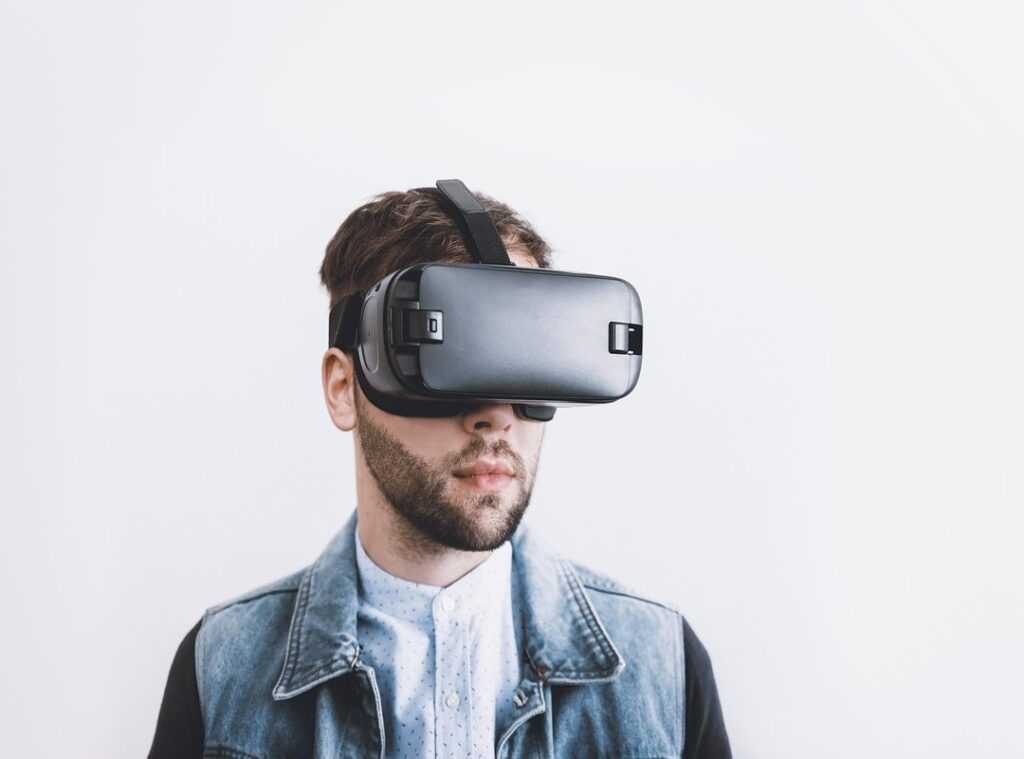
Beyond the basics, there’s virtual reality. The ultimate immersion, right? But hey, even simpler tweaks like screen-syncing ambient lights can make a difference.
Imagine your room changing colors with the game. It’s like the game world is spilling into your living space. We all know vr just took another massive body blow, but it’s still the king of immersion when it works.
So, if you’re serious about virtual reality gaming, gear up! Without the right tech, you’re missing out on the real magic. Ready to level up your gaming reality?
The Immersion Hall of Fame: Games That Get It Right
Let’s talk about immersion in video games. If you’ve ever felt like you might actually be a cowboy, a space explorer, or a cyberpunk detective, you know what I mean. Not every game gets it right, but some do in spectacular ways.

Narrative Immersion is all about living another life. Take ‘Red Dead Redemption 2’. The slow pace and detailed world suck you into the Old West. You’re not just playing a game; you’re there, living it. Long rides through the desert and random encounters with NPCs add layers to your journey.
Then there’s Sensory Immersion. Enter ‘Cyberpunk 2077’. Yeah, the launch had issues, but post-patches, Night City is a beast.
It’s a sensory overload with its neon lights and dense soundscapes. You feel overwhelmed like you’re really walking those chaotic streets (don’t even get me started on the soundtrack).
What about Systemic Immersion? ‘No Man’s Sky’ nails this. It’s freedom at its finest. You can explore, build, and survive however you want (tell me that doesn’t sound like a dream).
Each player’s path is unique, making every story different. This isn’t a game; it’s a universe waiting for you to dive in.
Finally, Competitive Immersion. High-stakes arenas like ‘Valorant’ or strategic card games bring an intense focus. The adrenaline rush from outsmarting an opponent is real.
It’s about being “in the zone”, and sometimes it feels more real than real life.
Wondering how AI is changing this space? How ai changing game development is fascinating. Virtual reality gaming might sound like a buzzword, but it’s evolving and might just change everything we know about immersion.
Crafting Your Gaming Sanctuary: The Environment Matters
Immersion in gaming isn’t just about the screen. Seriously, have you ever tried to lose yourself in a game with your phone buzzing every two seconds? Kill distractions. A dedicated gaming space is more than a luxury; it’s important.
Silence those notifications, close the extra browser tabs, and just focus. Trust me, your gameplay will thank you.
Comfort is king when it comes to long sessions. Who wants to pause an epic boss fight because their back is screaming? Get a good chair.
Set your screen at the right height. Ergonomics aren’t just about avoiding an aching neck (though that’s huge), they’re about keeping you in the game without physical interruptions.
Lighting sets the mood. I’m not saying go full movie theater, but dim, indirect lighting can make the screen pop. It draws you in, making the game the star of the show.
That cinematic feel? It’s not just for the movies anymore.
Don’t forget the social element. Playing with friends can amplify the experience. Clear communication is key.
Whether it’s virtual reality gaming or classic multiplayer, sharing the thrill heightens immersion. It’s not just about the game; it’s about who you share it with.
Dive Into Immersion
Feeling disconnected? I get it. Achieving true immersion is a mix, not a one-and-done deal.
It’s the game, the gear, and that perfect setup. You’ve got the power to create this magic whenever you want. Master virtual reality gaming by piecing together these elements.
Trust me, it’s a game-changer. Ready to feel that rush again? Pick just one tip from this article.
Maybe try a new game or dim the lights. Make it your own. Start your next session with intent, and watch your experience transform.
Need more guidance? Visit our site for top strategies.

 Jorval Kelvayne has opinions about multiplayer experience reviews. Informed ones, backed by real experience — but opinions nonetheless, and they doesn't try to disguise them as neutral observation. They thinks a lot of what gets written about Multiplayer Experience Reviews, Game Industry Buzz, Insider Knowledge is either too cautious to be useful or too confident to be credible, and they's work tends to sit deliberately in the space between those two failure modes.
Reading Jorval's pieces, you get the sense of someone who has thought about this stuff seriously and arrived at actual conclusions — not just collected a range of perspectives and declined to pick one. That can be uncomfortable when they lands on something you disagree with. It's also why the writing is worth engaging with. Jorval isn't interested in telling people what they want to hear. They is interested in telling them what they actually thinks, with enough reasoning behind it that you can push back if you want to. That kind of intellectual honesty is rarer than it should be.
What Jorval is best at is the moment when a familiar topic reveals something unexpected — when the conventional wisdom turns out to be slightly off, or when a small shift in framing changes everything. They finds those moments consistently, which is why they's work tends to generate real discussion rather than just passive agreement.
Jorval Kelvayne has opinions about multiplayer experience reviews. Informed ones, backed by real experience — but opinions nonetheless, and they doesn't try to disguise them as neutral observation. They thinks a lot of what gets written about Multiplayer Experience Reviews, Game Industry Buzz, Insider Knowledge is either too cautious to be useful or too confident to be credible, and they's work tends to sit deliberately in the space between those two failure modes.
Reading Jorval's pieces, you get the sense of someone who has thought about this stuff seriously and arrived at actual conclusions — not just collected a range of perspectives and declined to pick one. That can be uncomfortable when they lands on something you disagree with. It's also why the writing is worth engaging with. Jorval isn't interested in telling people what they want to hear. They is interested in telling them what they actually thinks, with enough reasoning behind it that you can push back if you want to. That kind of intellectual honesty is rarer than it should be.
What Jorval is best at is the moment when a familiar topic reveals something unexpected — when the conventional wisdom turns out to be slightly off, or when a small shift in framing changes everything. They finds those moments consistently, which is why they's work tends to generate real discussion rather than just passive agreement.